1. Nobody knows how to start a conversation
with International Students
One of the biggest problems with
socializing international students into Concordia’s culture is the fact that
domestic students aren’t sure exactly how to start a conversation with them.
They are afraid because they don’t know what to talk about or even how to talk
to them because of the slight language barrier.
2. International Students are socialized
before school starts
Prior to International students
starting school, they participate in Prelude the whole month of August. The fact
that they socialize with mostly other international students participating in
Prelude, they don’t feel the need to socialize further once the Academic year
starts.
3. Most International students only get
involved with International Organizations
When international students choose
to get involved, a majority of them get involved with International Student
Organization or other cultural organizations on campus. This is because they
don’t understand the organizational culture.
4. Domestic Students don’t get involved in
International Student Organizations
Most Domestic students believe that
the International Student Organization is for International students only
because of the name of the organization. In reality, the organization is for
everyone, it is an organization to help people from all around the world
connect and learn about different countries and celebrate all the fun things
about each of those countries.
5. International Students struggle
academically and socially
During the first year at an
American school, International students are still learning the different social
norms, academic norms and norms of the organization and trying to do all that
at the same time is incredibly overwhelming. Adding friendship on top of all
the other learning they are doing is nearly impossible and it is much easier to
be with the other international students because they all understand what one
another is going through
Although there are many reasons that are preventing proper
socialization, it isn’t too late to make things better! Domestic Students can reach
out to International students, join different cultural organizations and make
an effort to show interest in learning about different cultures. The school can
help by changing around the Prelude program or digging deeper to find a way to
help International Students feel more welcomed for first year orientation.
I really like the list format! I wonder if you could have spent a little more time talking about ways to combat these specific issues.
ReplyDeleteThis comment has been removed by the author.
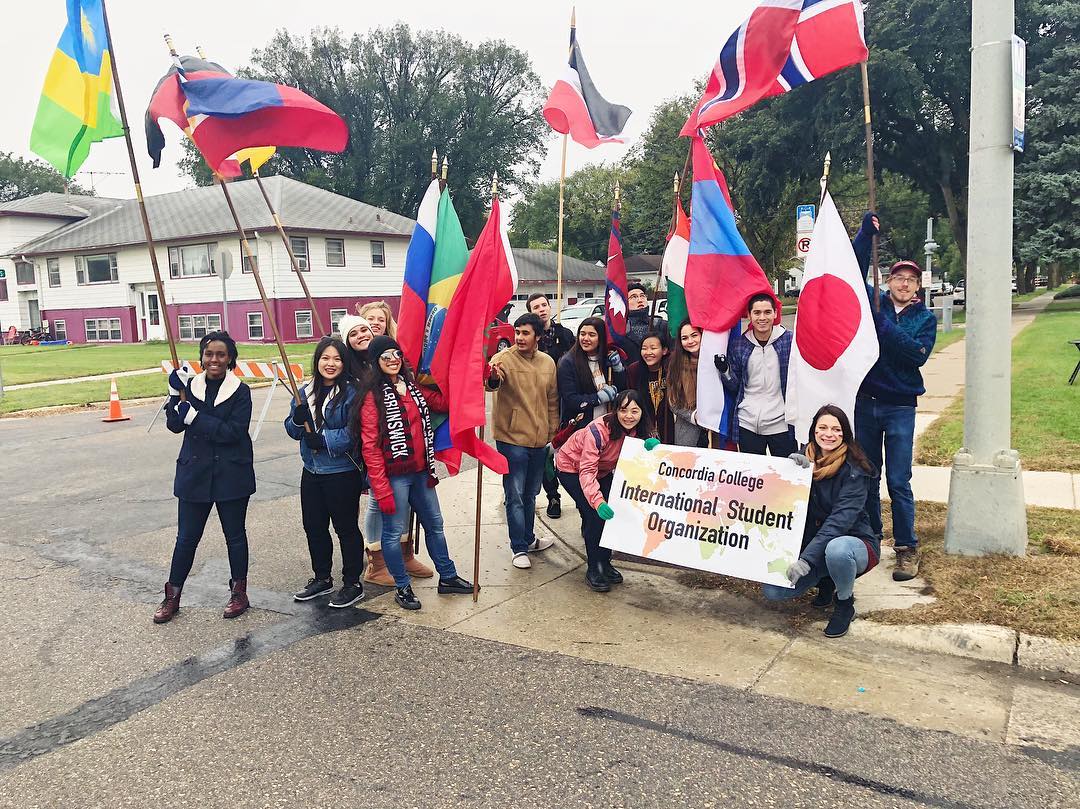
DeleteI agree with Natalie. I also think it would have been interesting to include thoughts of different international students (like pictured above) to hear their input! I know, Lauren, that you are involved with the International Organization, but I think include international students in the conversation is important. That being said, I really appreciated that you used a photo of our international students, and not just a photo you found from the internet!
DeleteDo you think more connection prior to the international students arriving would be beneficial? How can we better connect International students with domestic students? What improvements do you think can be implemented starting next year?
ReplyDeleteI really like the list format as it is easy to follow and understand. I would really like to follow up and chat about some possible components that can be improved for next year!
The way you categorized your article made everything clear and easy to read! Like other comments I would like to hear more about possible solutions that could be put in place. Is there a marketing campaign that could get domestic students more involved? Also I would suggest to give a little more background on the Prelude program and analyze what is being done currently and why its not as effect as it could be.
ReplyDeleteI really like the way this was written! It was clear cut and to the point. Do you think that Concordia promotes inclusion of domestic students joining international organizations well? What about vice-versa? I would maybe include more on how we could decrease the divide between international and domestic students. Great work!
ReplyDeleteThe format of this post is really awesome! I love how you broke it down into 5 clear and distinct points. I also love your inclusion of what domestic students can do better to make things easier. Do you think there are steps concordia can make to help this transition easier?
ReplyDelete