Gender Discrimination in the Classroom & Office
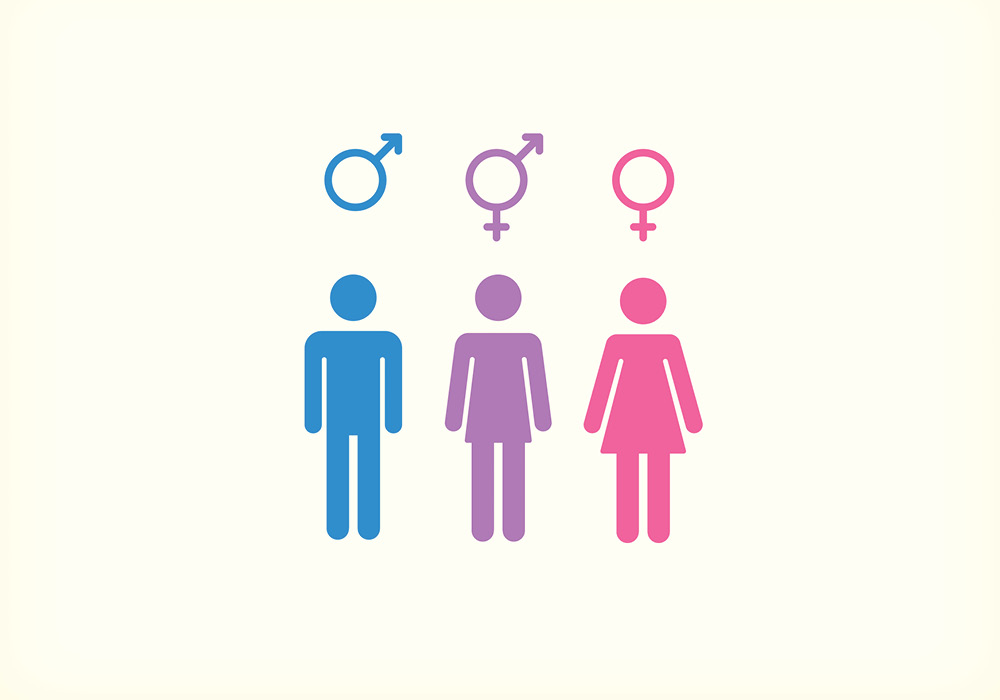
What's the difference between sex and gender?

- Sex is based on our biologial sexual reproductive organs at birth.
- Gender is something often associated with sex but is actually a learned behavior.
How is gender learned?
- Children naturally align with their parent of the same sex. Mothers are the primary example of feminine behavior for their daughters and girls were more understanding of what a feminine gender stereotype entailed when their mother performed household and childcare duties.
- Toys produce a sense of gender identification because they stimulate play and help develop cognitive skills. Masculine toys such as blocks attribute to spatial skills and action figures which can lead to aggressive behaviors whereas, feminine toys such as dolls teach children to be caring and nurturing.
What are some stereotypes?
- Women are warm, nuturing, kind and dependent.
- Men are cold, competitive, assertive and independent.
- If someone feels pressured to conform to a stereotype of a given gender, they may feel suppressed and deny their natural tendencies. If you make a child conform to the “right” gender, they are deprived of exploring what works best for them. Such gender stereotypes can limit not only a childs educational aspirations but also their occupational aspirations.
How are children discriminated against in the classroom?
- “91% of teachers punishments were directed at children’s engagement in nontraditional gender activities
- Teachers praised children who engaged in gender typed behaviors.
- Girls received more praise when playing with dolls and boys received more praise when playing with action figures
How are adults discriminated against in organizations?
- Studies have shown that in order for a female to be considered for similar promotional opportunities, she must outperform her male counterpart.
- Probability of a man working in upper level management is 1.8 times greater than a woman occupying this same position.
- However, studies have shown that the presence of children in the household leads women to select themselves out of competition... this is known as the "mommy track."

Interesting research!! This is definitely a key component of culture within the workplace and communication strategies used for men and women in the organization.
ReplyDeleteGreat research, so frustrating to experience in real life! I think we should all take your research with us into our future employment and check our biases against gender.
ReplyDeleteWonderful research and great blog! It saddens me that teachers are punshing children for not engaging with gender appropriate toys. I strongly feel that as we continue to do research into gender and disabond the old typical gender "norms", that we will learn to accept that one doesn't have to directly align with one gender.
ReplyDeleteGreat presentation of your research! I liked how this post was organized in a way that it was clear to readers what section was what because it made the overall picture easy to grasp.
ReplyDeleteLooking forward, I would suggest adding a call to action for the reader. This post presents an issue in depth, but doesn't provide specific solutions or ideas toward solutions. What do you want the reader to get out of it? What should this post drive them to do or feel? Point out the road for how others can get involved.
Great blog post! The part that I find most interesting (and ridiculous) is when you talk about how a woman must outperform a man on a task to be considered for the same opportunities. That makes ZERO sense. That woman should be considered more deserving of those opportunities, not just as deserving. Excellent research.
ReplyDeleteGreat post! Very accessible! I wonder why more people haven't questioned the correlation between the toys children are "assigned" and the social skills they develop. I think we determined why women are discriminated against a long time ago. Now its just figuring out how much effort we wanna put in to undo the damage.
ReplyDeleteReally interesting research! It was very surprising to me that children get discriminated in classrooms according to the toys they play with. And I did not think we would encourage gender stereotypes like that. Children should not be disciplined for playing with the "wrong" toys.
ReplyDeleteThis issue should be brought more to public and people working in the field of education should get training on how to better handle those situations ((if you want to call children playing with toys a situation).
Very good structure and good writing style.